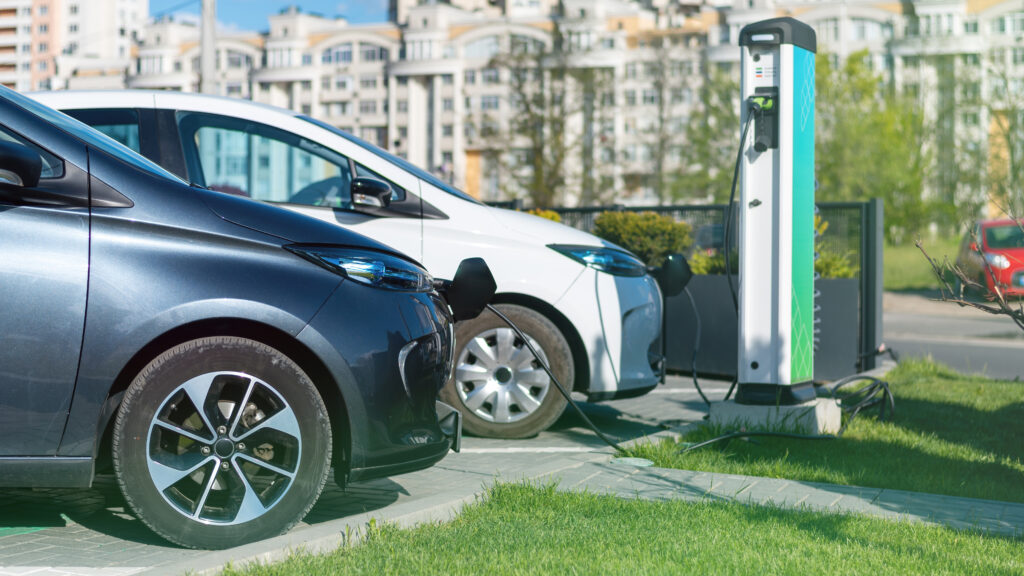
India is doubling down on its electric vehicle (EV) mission in 2025, with the FAME-III scheme announced in the Union Budget allocating ₹15,000 crore to boost EV adoption, charging infrastructure, and local manufacturing.
EV sales in India have already crossed 2.5 million units in the first quarter of 2025, led by two-wheelers and e-rickshaws. States like Delhi, Tamil Nadu, and Maharashtra offer additional subsidies and battery swapping infrastructure. The new phase of FAME focuses on supporting electric buses, last-mile transport, and EV financing options.
Foreign investments are also pouring in. Tesla has opened a gigafactory in Gujarat, while Hyundai and Ola Electric have expanded production facilities. China’s BYD and Japan’s Suzuki have announced strategic partnerships with Indian startups for battery and component manufacturing.
Challenges remain in terms of battery disposal, charging network gaps, and grid stress. However, the Centre has launched a Battery Recycling Policy and is pushing for indigenous R&D via IIT-led innovation hubs.
India’s goal is to reach 30% EV penetration by 2030, and 2025 could be a pivotal year in that journey. If supported well, India can become a global EV manufacturing hub — creating jobs, reducing emissions, and modernizing urban mobility.