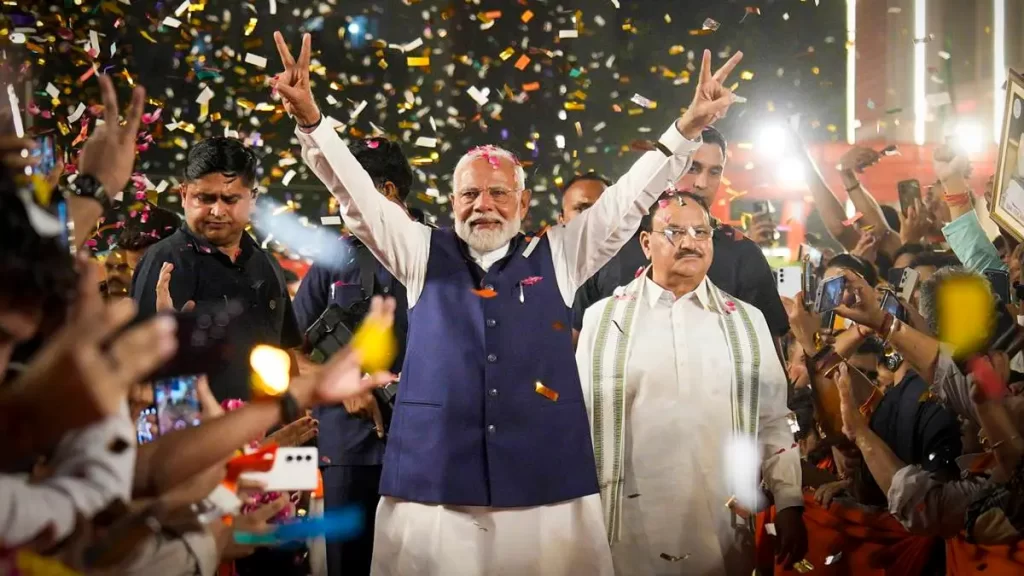
The 2024 Lok Sabha Elections proved to be one of the most competitive in recent Indian political history. While the ruling coalition retained power, it did so with a significantly reduced majority, leading to a more balanced and coalition-driven Parliament.
The elections saw a rise in voter turnout — over 72%, with record participation from youth, women, and first-time voters. The opposition, led by a more unified front of regional parties and the Congress, made strong gains in several key states like Maharashtra, West Bengal, and Tamil Nadu.
The ruling party, though still the largest single party, now faces greater scrutiny in the House. This is expected to lead to more debate and fewer one-sided policy implementations. Experts believe this may encourage healthier democratic discourse, although it might also slow decision-making on contentious issues.
Campaigning in 2024 heavily relied on AI-driven outreach, WhatsApp-based groups, and influencer narratives. The use of deepfakes and misinformation also raised concerns, prompting the Election Commission to issue stricter content guidelines.
As the new government takes shape, focus areas include employment generation, climate resilience, defense modernization, and digital infrastructure. India’s political landscape is visibly shifting, with regional voices playing a stronger role in national decision-making — a trend that may continue in the years to come.