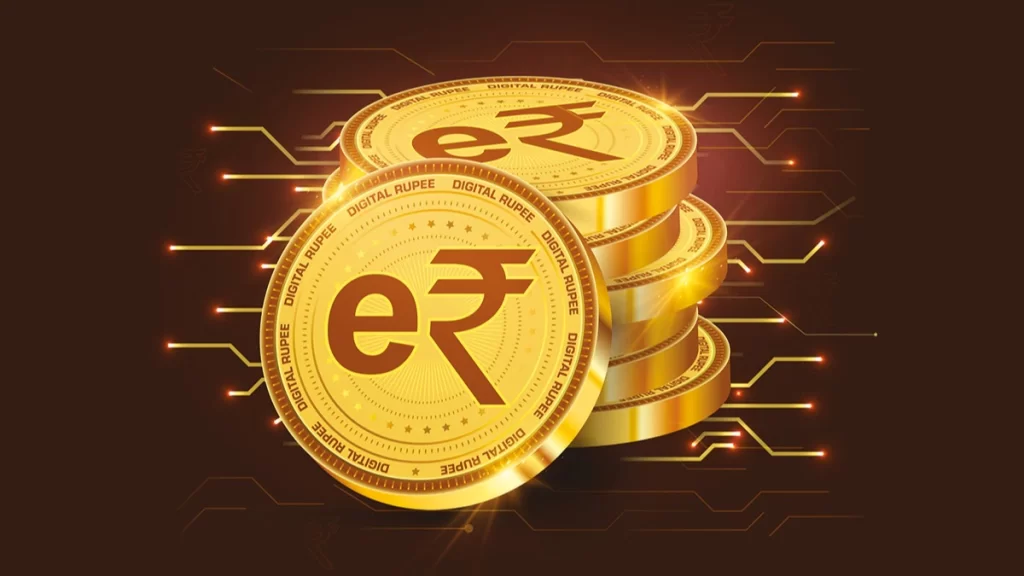
India’s central bank digital currency (CBDC), the Digital Rupee (e₹), has entered its second pilot phase in 2025 with expanded use in retail, wholesale, and interbank transactions. The Reserve Bank of India (RBI) launched the e₹ in 2022, and its steady rollout marks India’s entry into the global CBDC movement.
In the latest phase, the e₹ is now accepted in over 100,000 retail outlets across metro and tier-2 cities. Major banks like SBI, HDFC, and Axis have enabled wallets that allow users to transact via QR codes and UPI-like systems. Unlike cryptocurrencies, the e₹ is fully regulated, legal tender, and backed by the RBI.
One of the major goals is to reduce dependence on physical cash and create a more transparent, secure payment ecosystem. It also allows programmable money — for example, subsidies or scholarships that can only be spent on authorized items.
Concerns remain around privacy, surveillance, and digital exclusion of non-tech-savvy populations. To address this, RBI has emphasized offline functionality for rural users and is working on layered security mechanisms.
With countries like China, Sweden, and Brazil also launching CBDCs, India is positioning itself as a digital finance leader. The Digital Rupee could transform public finance, aid delivery, and fintech innovation in the years to come.